
Our Blogs
Looking For A Specific Post?
Why Are Eye Exams So Important When You Have Diabetes?
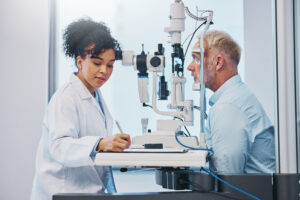 Living with diabetes means constantly tracking numbers, appointments, medications, and symptoms. It often feels like you are juggling more than your fair share. Adding one more medical appointment to your calendar can feel like just one item too many on an already overwhelming list. But at Wink Eye Care, our doctors have been helping people with diabetes care for their eyes for decades. We have seen firsthand that regular diabetic eye exams are not something you should put off.
Here is why regular eye exams are so crucial when you have diabetes:
- Diabetes puts a lot of stress on your eyes’ blood vessels
- Eye damage can start before vision changes appear
- Regular exams help catch problems early
- Eye exams work alongside your diabetes care
When you have diabetes, regular eye exams play a critical role in preserving your sight and overall health for years to come.
How Does Diabetes Actually Affect Your Eyes?
High or fluctuating blood sugar is tough on your blood vessels. Think of it like this: high sugar levels make your blood thicker and stickier, stressing the vessel walls. Over time, this stress can cause them to weaken and leak. Since your eyes are full of tiny, delicate blood vessels, they are often one of the first and most significantly affected parts of the body.
This gradual damage can lead to several diabetes-related eye conditions, including:
- Diabetic Retinopathy: This is the most common cause of vision loss, occurring when the tiny vessels in the retina swell, leak, or become blocked, depriving the eye of blood.
- Diabetic Macular Edema (DME): This happens when fluid leaks into the macula, the part of the eye that handles sharp, central vision, causing it to swell and blur your sight.
- Glaucoma: Diabetes doubles the risk of developing glaucoma, a group of diseases that damage the optic nerve, often due to increased intraocular pressure.
- Cataracts: While common with age, high sugar levels can cause structural changes in the lens, leading to cataracts developing much earlier and progressing faster.
What makes these conditions especially challenging is how silent they can be, which leads to an important question many patients ask next.
What Are the Signs Diabetes Is Affecting Your Eyes?
If you can read comfortably, drive safely, and don’t have any pain, it’s natural to assume your eyes are healthy. The challenge is that diabetes-related eye damage doesn’t start where you can see it.
In the early stages, diabetic eye disease causes microscopic changes inside the eye. These may include tiny blood vessel leaks, subtle swelling in the retina, or early signs of reduced blood flow—changes far too small to affect your vision right away. At this point, there is often no pain, no blurriness, and no warning signs.
This is where a diabetic eye exam becomes essential. During an exam, eye doctors use specialized imaging and diagnostic equipment to look beneath the surface of your vision. These tools allow them to examine the retina and its blood vessels in detail, identifying early signs of diabetic eye disease long before you would notice anything is wrong.
Without this equipment, those early changes remain invisible. By the time symptoms like blurred vision, dark spots, or difficulty focusing appear, the disease is often more advanced and harder to manage, which is why regular exams are so important.
How Often Do People With Diabetes Need Eye Exams?
Because diabetes can change your health drastically from year to year, it’s generally recommended to get comprehensive eye exams annually. An annual screening creates a timeline rather than just a snapshot. When eye doctors have a consistent history of your eye health and can compare pictures, even small changes stand out. Catching a minor issue today is much easier to manage than fixing a major problem three years down the road.
Can Eye Exams Help You Manage Your Diabetes?
Diabetic eye exams do more than protect your vision; they help show how well your diabetes management is working over time. The tiny blood vessels in your eyes are especially sensitive to blood sugar changes, so they often reflect damage or stability earlier than other parts of the body.
When blood sugar is consistently well controlled, those vessels tend to remain stable. When it isn’t, subtle changes, like swelling or tiny leaks, can begin to appear. By comparing your eye health from one exam to the next, your doctor can see whether your current management approach is helping protect your body, not just your eyesight.
Think of your eye exam as a long-term progress check. It provides information you can use to make adjustments early, before diabetes causes more serious complications.
How Else Can You Protect Your Vision While Managing Diabetes?
Regular diabetic eye exams are essential, but they work best when paired with everyday habits that support your overall health. Here’s what you can do:
- Control Your Blood Sugar: Keeping your blood sugar within a healthy range is the most effective way to prevent damage to the blood vessels in your eyes.
- Monitor Your Blood Pressure and Cholesterol: High blood pressure and cholesterol can worsen eye conditions caused by diabetes, so managing these is key.
- Quit Smoking: Smoking increases your risk of eye disease, especially if you have diabetes, so quitting is essential.
- Take Medications as Prescribed: If you’re on medications for diabetes, blood pressure, or cholesterol, stick to your treatment plan to reduce the chances of complications.
These proactive steps, combined with regular eye care, go a long way toward protecting your vision.
Taking Care of Your Eyes Is Taking Care of Yourself
Living with diabetes can be exhausting, but regular eye exams are something you should prioritize. When eye health is monitored consistently, small changes can be addressed early, long before they interfere with your vision or your life.
At Wink Eye Care, we understand how much you’re already managing. That’s why our diabetic eye exams are focused on early detection, clear communication, and care that fits into your broader health plan. If you have diabetes and it’s been a year or longer since your last eye exam, now is the time to schedule one.
Contact us today to book your next diabetic eye exam and take a proactive step toward protecting your vision.
Ready To Take The Next Step?
Schedule Your
Appointment Online Now!
Click the button below to book your appointment effortlessly and conveniently.
Lowell
Visit Us In Lowell
St. John
Visit Us In St. John
Lowell
Visit Us In Lowell
St. John
Visit Us In St. John
Call Us
Lowell 219-300-2076
St. John 219-357-2020
Call Us
St. John 219-357-2020

The information on this website is for informational purposes only; it is deemed accurate but not guaranteed. It does not constitute professional advice. Testimonials are not a guarantee, warranty or prediction of what your experience with us will be. By providing contact information, users acknowledge and give explicit consent to be contacted via the methods of communication provided, including SMS. Message and data rates may apply. Message frequency may vary. Reply STOP to opt out.
NUVEW | Copyright 2026 All Rights Reserved | Accessibility Notice | Privacy Policy | Terms & Conditions