
Our Blogs
Looking For A Specific Post?
What Happens During a Comprehensive Eye Exam?
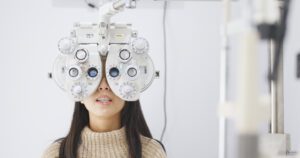 Feeling nervous about an upcoming eye exam? You are not alone. Many people feel a bit of hesitation before an appointment, especially if it has been a while. At Wink Eye Care, we’ve guided patients through thousands of exams, and we understand that knowing what to expect can make the entire experience feel more comfortable and reassuring.
During your comprehensive eye exam, you and your doctor will talk through your vision, check how your eyes are functioning, and complete a series of gentle tests to determine:
- Whether your vision has changed since your last appointment
- Whether your eyes are working well together
- Whether you need glasses or an updated prescription
- Whether early signs of eye conditions are present, even those you can’t feel
- How your overall health may be reflected in your eyes
Most adults benefit from a comprehensive exam every one to two years. If it has been longer than that for you, this walkthrough will help you feel prepared and confident.
What Can I Expect When I First Arrive for an Eye Exam?
When you arrive, our friendly staff will greet you and guide you through a quick check-in process. You will be asked a few initial questions about your vision, any symptoms you have noticed, and your general health history. This conversation helps your eye doctor get to know your specific vision needs and any particular things they should look out for during the exam. It is also completely normal to discuss how long it has been since your last exam; this information helps your provider understand your eye care journey.
How Does My Eye Doctor Actually Check My Vision?
One of the first parts of the exam involves checking your visual acuity. This is the standard test where you will be asked to read letters from a chart across the room. The test is performed for each eye individually to get an accurate reading. This part of the exam is quick and comfortable, and it is designed to pinpoint any issues with the clarity of your vision at different distances.
How Does an Eye Doctor Determine My Prescription in an Eye Exam?
If your vision test suggests you may need corrective lenses, your doctor will perform a refraction. This is the part where you’re asked, “Which looks better, one or two?” while the doctor flips through different lens options.
There are no right or wrong answers here; you’re simply choosing the option that feels clearest. These choices help determine the exact numbers in your glasses prescription and guide your doctor in tailoring your vision correction to your daily needs.
Once your prescription is settled, the exam shifts to evaluating the overall health of your eyes.
Why Do Eye Doctors Check Eye Pressure and Eye Muscle Movement?
An eye exam includes several painless tests to check the underlying health of your eyes. One common test is the eye pressure check, which might involve a gentle puff of air or a small, wand-like instrument. This test helps detect early signs of hidden conditions such as glaucoma. Your doctor will also assess your eye muscle movements by having you follow an object with your eyes. This shows whether your eyes are tracking and focusing together correctly. If your eyes aren’t focusing together, it could be a sign of issues like strabismus (misaligned eyes), convergence insufficiency, or other eye coordination problems.
What Do Dilation and Retinal Imaging Actually Reveal?
To fully examine the back of your eye, your doctor may dilate your pupils with special drops. These drops temporarily widen your pupils so the doctor can clearly see your retina, optic nerve, and blood vessels. You may experience some temporary blurriness and light sensitivity, but the information we gain is invaluable for early detection of macular degeneration, diabetic eye changes, or retinal tears.
Some clinics also offer advanced retinal imaging. If available, this can capture detailed photos of the back of your eye, sometimes without dilation, and allows your doctor to compare changes over time.
How Do Routine Eye Exams Catch Problems You Can’t Feel?
Many eye diseases start deep inside the eye, where you can’t see or feel changes. During an exam, your doctor checks your eye pressure, optic nerve, retina, and blood vessels using tools that detect tiny changes long before symptoms appear. That’s why routine exams are so important; they reveal early problems you wouldn’t notice on your own, making treatment easier and more effective.
What Happens Before You Leave the Appointment?
Before you head out, your eye doctor will walk you through your results in clear, easy-to-understand language. You’ll learn:
- Whether your eyes are healthy
- Whether your prescription has changed
- Whether any follow-up care is recommended
- When to schedule your next exam
For most adults, once a year is an excellent rhythm for staying ahead of changes and protecting long-term vision.
An Eye Exam Is Easier Than You Think
A comprehensive eye exam is a straightforward and supportive process designed to protect your vision for years to come. By catching issues early and keeping your prescription current, you are taking an important step in maintaining your overall health.
If you’re ready to feel confident about your eye health, we’re here to help. Schedule your next exam with Wink Eye Care today.
Ready To Take The Next Step?
Schedule Your
Appointment Online Now!
Click the button below to book your appointment effortlessly and conveniently.
Lowell
Visit Us In Lowell
St. John
Visit Us In St. John
Lowell
Visit Us In Lowell
St. John
Visit Us In St. John
Call Us
Lowell 219-300-2076
St. John 219-357-2020
Call Us
St. John 219-357-2020
The information on this website is for informational purposes only; it is deemed accurate but not guaranteed. It does not constitute professional advice. Testimonials are not a guarantee, warranty or prediction of what your experience with us will be. By providing contact information, users acknowledge and give explicit consent to be contacted via the methods of communication provided, including SMS. Message and data rates may apply. Message frequency may vary. Reply STOP to opt out.
NUVEW | Copyright 2026 All Rights Reserved | Accessibility Notice | Privacy Policy | Terms & Conditions