
Our Blogs
Looking For A Specific Post?
What to Expect Before, During, and After an Eye Exam
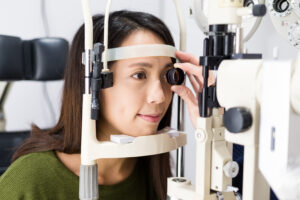
Scheduling regular checkups is the first part of taking care of your vision. Many people feel nervous about medical appointments, especially if they do not know what will happen. Learning the steps of the process can calm your nerves and help you get the most out of your visit. A comprehensive eye exam checks your visual acuity and evaluates the overall health of your eyes. This post explains the fundamentals of your eye exam, including:
- How you can prepare for the exam.
- What kinds of tests your doctor will perform.
- The duration of the appointment and any recovery time.
- What your results mean for your eye health.
Whether you need a routine checkup or have specific concerns about your sight, knowing what to expect makes the experience smoother. At Wink Eye Care, we believe well-informed patients feel more comfortable and confident during their visits. We want you to understand every part of your eye exam, so you know what to expect from the start.
How Do I Prepare for My Appointment?
A few minutes of preparation can help your doctor give you the best possible care. Taking a moment to organize your medical history and note any symptoms will support a thorough examination and an accurate diagnosis. Here are a few ways you can prepare for your eye exam:
- You should take your current glasses or contact lenses to your appointment.
- Write down a list of any vision changes, such as blurriness, dry eyes, or floaters.
- Note your family medical history, especially conditions like glaucoma or high blood pressure.
When you arrive at the clinic, the staff at the front desk will ask you to complete a short new patient form. They will also ask a few questions about your symptoms and medical history to relay that information to your doctor.
What Common Tests Will the Doctor Perform?
During your comprehensive eye exam appointment, your eye doctor will conduct several noninvasive tests. These quick assessments measure different parts of your eye function, and they are important for checking your overall eye health. Common tests include:
- You will read letters from a chart on the wall. This helps the doctor identify clarity issues at various distances.
- The doctor will have you look through a special device and choose between different lens options. This determines your exact glasses prescription.
- A quick puff of air or a gentle wand measures the pressure inside your eye. This test screens for glaucoma.
- You will follow a small object with your eyes. This assesses your binocular vision, eye movement, and tracking abilities.
- Advanced cameras take detailed photos of your retina and macula. This technology captures a clear view of the back of your eye.
- Sometimes the doctor uses special eye drops to widen your pupils. This allows them to check your optic nerve and blood vessels for issues like macular degeneration or diabetic retinopathy.
Routine eye exams are important to maintain your overall eye health and to find potential issues early. These assessments provide a comprehensive understanding of your vision and the condition of your eyes, allowing for timely treatment and management when necessary.
How Long Does the Visit Take, and What Is the Recovery Like?
The exact duration of your appointment depends on your specific vision needs and whether the doctor needs to run extra tests. The process moves quickly, and the staff will keep you comfortable the entire time.
Recovery is usually instant. You can drive home or go back to work right away. However, if you receive dilating drops, you will experience temporary blurriness and light sensitivity for a few hours. You should bring a pair of sunglasses to wear on your way home to protect your eyes from the bright sunlight.
What Do My Results Actually Mean for My Health?
Before you leave the office, the doctor will explain your results in simple terms. They will discuss any changes to your prescription and help you pick out a new pair of frames if you need them. These results reveal a lot about your overall wellness, as your eyes can show early warning signs of other health problems.
Your eye exam results can indicate several things about your health, including:
- The exam determines if your prescription needs an update for clearer sight.
- Your eyes can show the first signs of problems like diabetes and high blood pressure. Catching these signs early makes treatment more effective.
- The doctor checks for signs of cataracts or other concerns that may affect your eye health.
If the doctor notices any concerns, they will recommend a clear treatment plan tailored to your needs. This plan might involve prescription eyewear, medication, or other specific interventions. They will also tell you exactly when to schedule your next appointment to monitor your progress and maintain your eye health. Following these professional recommendations is a key part of preserving your vision.
Schedule Your Next Comprehensive Eye Exam with Wink Eye Care
Regular checkups keep your eyes healthy and your vision clear. The friendly team at Wink Eye Care provides thorough, comfortable exams for patients of all ages across Northwest Indiana. With convenient locations in Lowell and St. John, you can easily find a time that best fits your schedule. Reach out to the clinic today to protect your sight and maintain your eye health.
Ready To Take The Next Step?
Schedule Your
Appointment Online Now!
Click the button below to book your appointment effortlessly and conveniently.
Lowell
Visit Us In Lowell
St. John
Visit Us In St. John
Lowell
Visit Us In Lowell
St. John
Visit Us In St. John
Call Us
Lowell 219-300-2076
St. John 219-357-2020
Call Us
St. John 219-357-2020

The information on this website is for informational purposes only; it is deemed accurate but not guaranteed. It does not constitute professional advice. Testimonials are not a guarantee, warranty or prediction of what your experience with us will be. By providing contact information, users acknowledge and give explicit consent to be contacted via the methods of communication provided, including SMS. Message and data rates may apply. Message frequency may vary. Reply STOP to opt out.
NUVEW | Copyright 2026 All Rights Reserved | Accessibility Notice | Privacy Policy | Terms & Conditions