
Our Blogs
Looking For A Specific Post?
How Do Vision Problems Affect Learning and Development in Children?
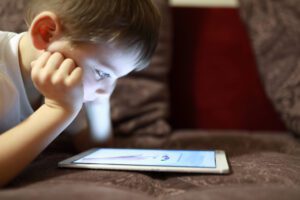
Your child is smart. You know it. But something keeps getting in the way at school: missed assignments, frustration with reading, trouble focusing in class. Before assuming it’s a behavioral issue or a learning disability, it’s worth asking a simpler question: Could it be their vision?
This is a significant concern because, according to a UCLA study, nearly 80% of classroom learning is visual. Reading instructions, copying notes, and following lessons all depend on a child’s ability to clearly see and process visual information.
Vision problems can affect a child’s learning and development by:
- Making it difficult to read, write, or see the board clearly
- Disrupting the hand-eye coordination needed for everyday schoolwork
- Causing eyestrain, headaches, and fatigue that make it harder to concentrate
At Wink Eye Care, our doctors have provided children’s eye exams for over two decades. We understand that vision problems can impact a child’s confidence and success in the classroom. We’re here to help you better understand the crucial link between your child’s eyesight and their ability to learn, so you can take proactive steps towards their eye health.
What Vision Skills Do Children Need to Learn Successfully?
For a child to read comfortably, follow lessons, and complete schoolwork efficiently, several visual skills must work together. Some of the key vision skills children rely on for learning include:
- Eye Tracking: The ability to smoothly follow words across a line of text and move from one line to the next without losing place.
- Eye Teaming: Both eyes must work together and remain aligned to maintain clear, single vision while reading or performing close-up tasks.
- Focusing Flexibility: Students frequently shift their focus from a book or worksheet to the board and back again. Healthy vision allows the eyes to adjust quickly and comfortably between these distances.
Any vision problem that affects one or more of these visual skills can make everyday classroom activities frustrating and exhausting. A child may appear distracted, fall behind during reading assignments, or struggle to complete written work, not because they lack ability, but because their visual system is working harder than it should.
Why Is It So Important to Detect Vision Problems in Children Early?
Detecting vision problems in children as early as possible is crucial for their overall development and well-being. Here’s why:
- Academic Performance: Falling behind in school during these formative years can permanently harm a child’s confidence and self-esteem.
- Accurate Diagnosis: Undiagnosed vision issues are often misidentified as ADHD or other learning disabilities, leading to incorrect interventions.
- Effective Treatment: Because a child’s visual system is still developing, conditions like amblyopia (lazy eye) and strabismus are much easier to treat and correct at a young age.
Of course, this is often easier said than done. Children rarely complain about their vision because they have no way of knowing what “normal” sight looks like. They assume everyone sees the world the way they do. That’s why it’s up to you, as a parent, to stay vigilant for signs of potential vision problems and be mindful of factors that could affect your child’s sight.
Can Too Much Screen Time Affect My Child’s Vision?
When you suspect your child may have a vision problem, it’s natural to immediately blame screens. The concern is valid. Prolonged screen time can cause digital eye strain: tired, dry, or uncomfortable eyes that make it harder for children to concentrate on non-digital tasks like reading a physical book or completing worksheets.
To help reduce digital eye strain in your child, you can encourage them to adopt these healthy habits:
- Practice the 20-20-20 rule: After 20 minutes of screen time, have your child look at something 20 feet away for 20 seconds. This simple break helps their eyes relax.
- Set up a comfortable viewing distance: Position screens at least an arm’s length away from your child’s face.
- Adjust room lighting to reduce glare: Good lighting can minimize reflections on the screen, making it easier on their eyes.
- Encourage outdoor play: Spending time outside gives their eyes a chance to focus on distant objects, which is a great natural exercise for their vision.
That said, screens are rarely the sole cause of vision problems. More often, they aggravate underlying issues that might have gone unnoticed. If your child is experiencing frequent headaches, eye strain, or difficulty focusing, it’s important to get their eyes checked.
Why Are Children’s Eye Exams So Essential?
Many schools offer basic vision screenings, but these tests have real limitations. A standard screening checks whether a child can read letters on a chart, and that’s about it. It can miss critical issues with eye teaming, tracking, and focus that directly affect learning.
A comprehensive pediatric eye exam goes much further. It can identify:
- Refractive errors (myopia, hyperopia, astigmatism)
- Amblyopia and strabismus
- Binocular vision and accommodation disorders
- Color vision deficiency
- Oculomotor conditions affecting tracking and reading
- Early signs of eye disease
To give your child the best possible start to their school year, we recommend scheduling a comprehensive eye exam annually. It’s a simple, yet crucial, step in supporting their learning and overall well-being.
Help Your Child Succeed in School
Since learning is largely visual, undetected vision problems can greatly impact a child’s reading, focus, and coordination. The good news is that once identified, many of these challenges can be effectively managed.
If your child is frustrated with reading, struggles to concentrate, or experiences unexplained headaches, an eye exam could provide answers. At Wink Eye Care, our experienced doctors are dedicated to helping children see clearly and learn confidently. Contact us to schedule your child’s eye exam today!
Ready To Take The Next Step?
Schedule Your
Appointment Online Now!
Click the button below to book your appointment effortlessly and conveniently.
Lowell
Visit Us In Lowell
St. John
Visit Us In St. John
Lowell
Visit Us In Lowell
St. John
Visit Us In St. John
Call Us
Lowell 219-300-2076
St. John 219-357-2020
Call Us
St. John 219-357-2020

The information on this website is for informational purposes only; it is deemed accurate but not guaranteed. It does not constitute professional advice. Testimonials are not a guarantee, warranty or prediction of what your experience with us will be. By providing contact information, users acknowledge and give explicit consent to be contacted via the methods of communication provided, including SMS. Message and data rates may apply. Message frequency may vary. Reply STOP to opt out.
NUVEW | Copyright 2026 All Rights Reserved | Accessibility Notice | Privacy Policy | Terms & Conditions